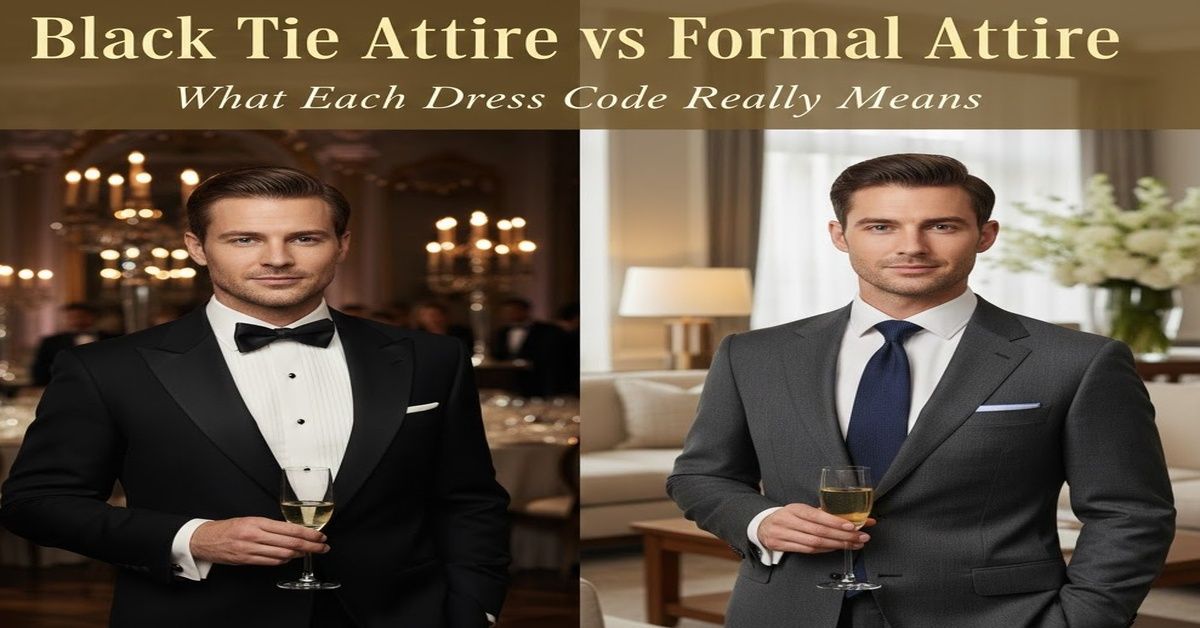
Dress codes like black tie and formal attire often cause confusion. Invitations may use these terms interchangeably, leaving guests unsure whether a tuxedo is required or if a formal suit or gown is enough.
Understanding the difference between black tie attire and formal attire helps you dress appropriately for weddings, galas, and evening events without second guessing your outfit choice.
This guide explains what each dress code means, how they differ, and how to decide what works best for your event.
What Is Formal Attire?
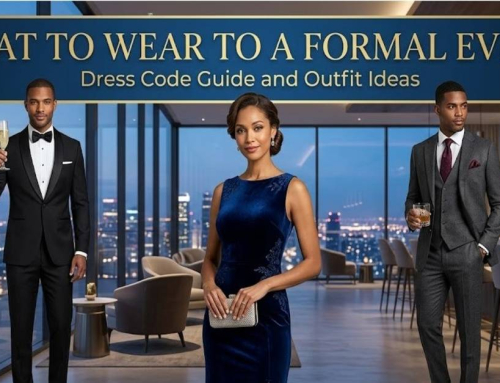
Formal attire is a broad dress code that allows some flexibility depending on the event, venue, and time of day. It signals elegance and polish without always requiring traditional eveningwear.
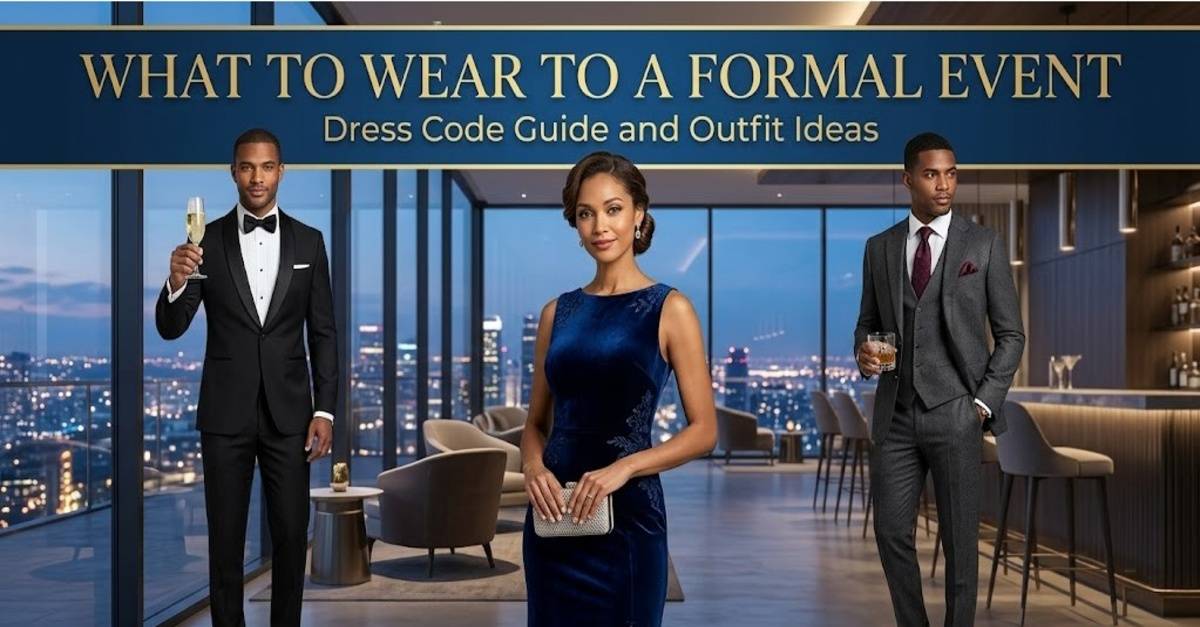
For men, formal attire typically includes:
-
A dark suit or tuxedo
-
Dress shirt
-
Tie or bow tie
-
Dress shoes
For women, formal attire usually means:
-
A floor length gown or an elegant midi dress
-
Refined fabrics like satin, chiffon, or lace
-
Simple, coordinated accessories
Formal attire is commonly used for weddings, upscale receptions, and evening events where guests are expected to dress elevated but not overly traditional.
What Is Black Tie Attire?
Black tie attire is more structured and follows traditional eveningwear standards. It is usually reserved for evening events and luxury celebrations.
For men, black tie attire includes:
-
A tuxedo jacket with matching trousers
-
White dress shirt
-
Black bow tie
-
Formal shoes
For women, black tie attire generally means:
-
A full length evening gown
-
Elevated fabrics and polished details
-
Formal heels and minimal accessories
Black tie dress codes are often used for luxury weddings, charity galas, and formal receptions.
Black Tie vs Formal Attire: The Key Differences
The main difference between black tie and formal attire is the level of strictness.
Black tie attire:
-
Has defined expectations
-
Traditionally requires a tuxedo
-
Follows classic eveningwear rules
Formal attire:
-
Allows suits or tuxedos
-
Offers more flexibility
-
Can vary by venue and event type
If an invitation clearly states black tie, it is best to follow traditional guidelines. If it says formal attire, there is more room to choose a polished look that suits the event.
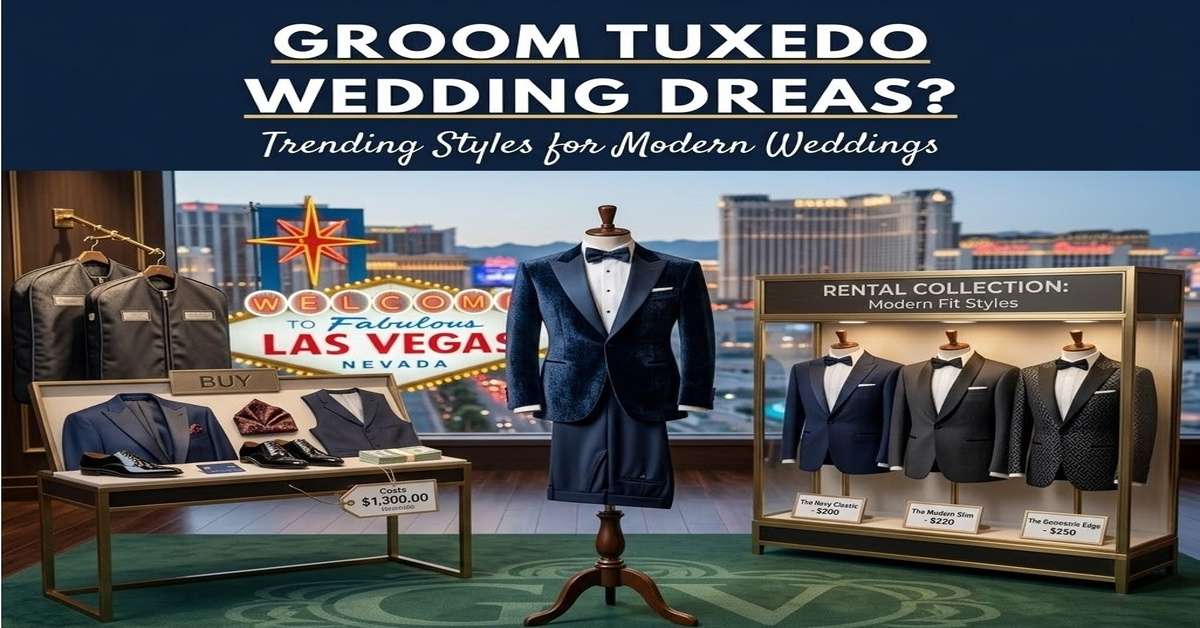
Does Formal Attire Mean Tuxedo?
No. Formal attire does not always mean a tuxedo.
For many formal events:
-
A tuxedo is acceptable
-
A dark suit is also appropriate
-
The choice depends on the event time and setting
Evening weddings and upscale venues often lean toward tuxedos, while daytime or semi formal locations usually allow well tailored suits.
Formal Attire vs Black Tie for Weddings
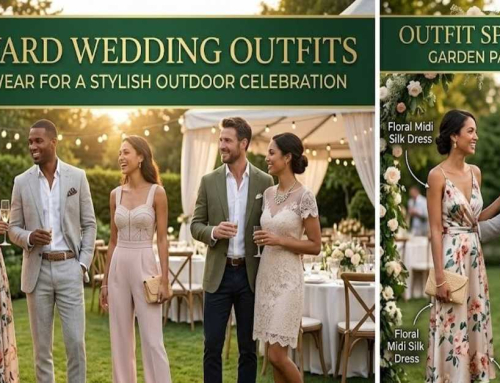
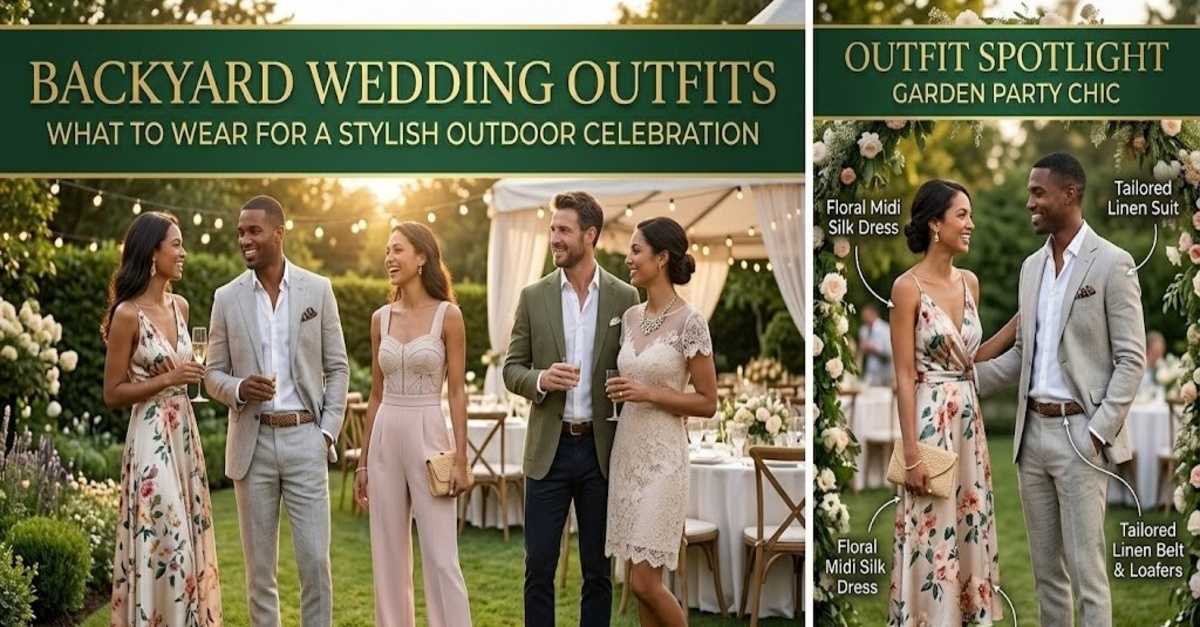
Wedding dress codes often blur the line between formal wear and black tie attire. Some couples use both terms loosely, which can create uncertainty for guests.
Helpful cues include:
-
Evening weddings tend to be more formal
-
Ballroom or luxury venues suggest black tie
-
Destination weddings may relax expectations
When unsure, it is usually better to dress slightly more formal than underdress.
Check: Tuxedo Rental in Las Vegas
What Women Should Know About Black Tie and Formal Attire
Women generally have more flexibility with both dress codes. The difference often comes down to length, fabric, and overall formality.
Formal attire for women may include:
-
Floor length or midi dresses
-
Softer silhouettes
-
Minimal embellishments
Black tie attire for women typically means:
-
Full length gowns
-
Structured or statement designs
-
Elevated accessories
Choosing the right option depends on the venue, time of day, and overall tone of the celebration.
Why Fit and Styling Matter More Than Labels
Whether the invitation says black tie or formal attire, fit and styling matter more than the label itself. A properly fitted outfit always looks more appropriate than something that technically meets the dress code but fits poorly.
This is especially true for weddings and milestone events where photos and memories last long after the event ends.
Working with an experienced bridal and formalwear boutique helps remove guesswork and ensures the outfit aligns with the occasion.
Finding the Right Look for Weddings and Formal Events
Many couples and guests turn to professional bridal and formalwear boutiques for guidance on dress codes and event styling.
At Creative Bridal Wear, formal and black tie attire is approached with real weddings in mind. Whether you are a bride, groom, or guest, understanding how dress codes translate into real outfits helps you feel confident and prepared.
Exploring curated wedding gown collections and formalwear options can help clarify what works best for your event without committing to trends that do not fit your celebration style.
For couples planning weddings in Las Vegas, working with a trusted bridal and formalwear boutique allows access to professional guidance and thoughtfully selected attire without unnecessary stress.
Final Thoughts on Black Tie vs Formal Attire
The difference between black tie attire and formal attire comes down to structure and flexibility. Black tie follows traditional eveningwear rules, while formal attire allows more variation depending on the event.
Understanding these distinctions helps you dress appropriately, feel confident, and respect the tone of the celebration. When in doubt, consider the venue, timing, and formality of the event and choose a refined, well fitted look.